Crown Thinning in Marylebone
If you are looking for crown thinning in Marylebone, you are likely dealing with a tree that has become too dense, too heavy, or simply too dominant for its setting. In a neighbourhood like Marylebone, where elegant terraces, mansion blocks, mews properties, shared gardens, and busy commercial streets all sit close together, tree care needs to be precise. Crown thinning is one of the most effective ways to improve light, reduce wind resistance, and make a mature tree work better for its surroundings without changing its natural shape too drastically.
Local property owners often want a solution that feels practical and respectful: a tree that still looks healthy and established, but no longer blocks too much daylight, catches the wind, or sheds as much stress onto overhanging branches. Whether you are responsible for a private garden, a communal courtyard, a block management portfolio, or a business frontage, a careful crown thinning service can help protect both the tree and the property around it. Done well, it can improve the balance between safety, appearance, and long-term tree health.
In Marylebone, the need for skilled arboricultural work is often tied to the character of the area itself. Trees may be close to windows, over gardens, near parked vehicles, beside narrow access routes, or positioned within conservation-sensitive streets where discretion matters. That is why it pays to use a local team that understands the practical realities of working in central London. Request a free quote or book your service now if you want tailored advice for your tree.
What crown thinning actually does
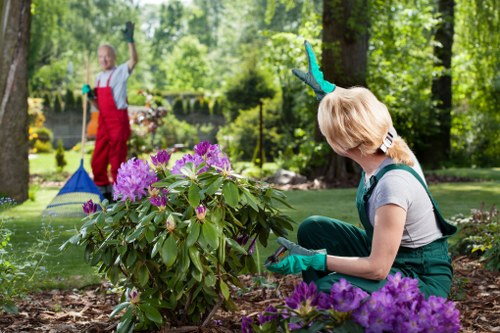
Crown thinning is the selective removal of a tree’s smaller secondary branches throughout the crown. The aim is not to reduce the tree’s overall height dramatically, nor to strip it bare. Instead, the arborist removes carefully chosen branches to create a more even distribution of foliage and a lighter canopy. This can help sunlight filter through, reduce wind loading, and lessen the risk of branch failure in crowded urban settings.
Unlike heavy cutting or indiscriminate lopping, professional thinning follows the tree’s natural structure. The best results are subtle: the tree still looks full and healthy, but less congested. For many Marylebone customers, that is exactly the right outcome, especially for mature ornamental trees, street-facing specimens, and trees that have developed dense canopies over time.
It is important to distinguish thinning from other services. Crown reduction shortens the crown’s overall dimensions; crown lifting removes lower branches to increase clearance; deadwood removal targets dead or failing material; and formative pruning shapes younger trees. Crown thinning sits somewhere different, focusing on internal density rather than size alone. That makes it especially useful when the goal is to let more light and air move through the canopy without altering the tree’s silhouette too much.
Why Marylebone properties often need crown thinning
Marylebone has a mix of building types that can make tree management particularly nuanced. Period properties with smaller rear gardens may have tall trees that now overshadow patios or ground-floor rooms. Mansion blocks and residential courtyards often rely on trees for privacy and atmosphere, but those same trees can become too dense over time. Commercial premises, hotels, medical practices, cafés, and office buildings may also need a neat canopy that preserves a welcoming exterior without losing the softening effect that trees bring to the streetscape.
Light is a recurring issue in this area. Many residents value daylight, especially where gardens are compact and buildings are close together. Dense crowns can block natural light from reaching windows, balconies, and planted areas below. By selectively thinning the crown, a tree can admit more daylight while remaining an attractive and valuable feature of the property.
Wind exposure is another local concern. Central London streets can create unpredictable airflow around tall buildings, and a dense canopy can act like a sail in strong gusts. Thinning helps the tree move more naturally in the wind, which may reduce the stress on branches and attachments. This is particularly relevant for mature trees near paved areas, parking spaces, and pedestrian routes.
Benefits of professional crown thinning
There are several practical reasons why customers choose crown thinning in Marylebone. The most immediate benefit is usually improved light penetration. A canopy that is too dense may cast heavy shade over a garden, courtyard, or neighbouring property. Thinning can bring back a better balance of light without making the tree look sparse.
Another important benefit is reduced wind resistance. In dense crowns, wind can catch large sections of foliage and place strain on the tree structure. By reducing internal density, the tree can move more freely and may be less likely to suffer branch breakages in storms or strong seasonal winds. That can be a meaningful consideration for trees close to buildings, vehicles, or shared access paths.
A professionally thinned crown may also improve the tree’s overall appearance. The canopy can look cleaner and more natural, with a better distribution of branches and less internal crowding. For many local customers, that visual improvement matters just as much as the practical benefits. A well-managed tree supports the character of the property rather than overwhelming it.
Typical benefits include
- More natural light reaching gardens, windows, and interior spaces
- Reduced wind load on dense or mature canopies
- Better airflow through the crown
- Improved appearance and structure
- Lower risk of branches rubbing or crossing excessively
- Greater comfort for people using outdoor spaces below
How a crown thinning service is carried out

A proper crown thinning service begins with an assessment of the tree, its condition, its species, and its position. Not every tree is suitable for the same level of thinning, and a careful arborist will look at branch density, previous work, signs of stress, nearby structures, and how the tree is currently interacting with the site. That initial assessment helps decide how much material can be removed without causing unnecessary stress or an unbalanced result.
When the work begins, the arborist will usually remove selected branches throughout the crown, concentrating on smaller internal growth and reducing congested areas rather than taking large portions from the outside. The objective is to keep the natural outline intact. Proper thinning is not random; it is methodical and based on the tree’s framework. If access is tight, the team may need to work with climbing equipment and sectional techniques to avoid disturbance to the surrounding area.
In a built-up location such as Marylebone, careful site management is just as important as arboricultural skill. Protective measures may be used around lawns, paving, borders, and shared surfaces. Where access is limited, the team may need to plan around parked vehicles, narrow side returns, private courtyards, or restricted loading areas. Good planning saves time, limits disruption, and helps protect the property.
What a careful team will focus on
They will aim to preserve the health and balance of the tree, avoid over-thinning, and leave the crown with a natural and sustainable structure. They will also consider the client’s goals, whether those are more light, improved safety, better clearance, or simply a tidier appearance. The work should feel tailored, not rushed.
What is included in the service
Customers often want to know what a crown thinning visit usually covers. While every tree and site is different, a local service will typically include a site review, an explanation of the recommended work, the thinning itself, and tidy-up of the immediate work area. If additional arboricultural needs are identified during the inspection, those can be discussed separately.
The service may be appropriate for one tree or for multiple trees across a garden, courtyard, or managed estate. In Marylebone, it is common for clients to ask for a mixture of work across several specimens, especially where one tree is affecting light and another is creating clearance issues. A responsible team will treat each tree individually rather than applying the same cut to everything.
Depending on the tree and the circumstances, the service may also involve related tasks such as deadwood removal, minor branch pruning, or checking for signs of poor structure. The focus is always on what the tree genuinely needs rather than adding unnecessary work.
You can usually expect
- An assessment of the tree and site conditions
- Advice on whether thinning is the right option
- Selective branch removal within the crown
- Attention to shape, balance, and light levels
- Careful working practices around buildings and planting
- Cleanup of branches and debris after the work
Why local knowledge matters in Marylebone
Choosing a team familiar with Marylebone is more than a convenience. Local knowledge helps when access is tight, when neighbours are close by, and when the surrounding environment requires a more careful, respectful approach. In this part of London, trees often sit within dense residential streets, shared mews developments, private squares, and mixed-use buildings. That means the work needs to be planned around people as much as around the tree.
Parking and access can be difficult. It may not be simple to bring equipment close to the work area, and there may be limited room for loading, chip removal, or vehicle placement. A local crew that understands these constraints can organise the job efficiently and reduce inconvenience for residents, neighbours, or commercial tenants. This practical awareness can make a significant difference to the overall experience.
There is also the matter of discretion and timing. Some customers want work completed with minimal disturbance to clients, guests, residents, or staff. A local team can often advise on the best way to stage the job so that the site remains manageable throughout the day. That is especially valuable for properties near busy routes or with shared entrances and courtyards.
Residential and commercial crown thinning
Marylebone customers come from a wide range of property types, and the needs of each can be quite different. In private homes, crown thinning is often requested to improve light to a garden room, kitchen, or rear patio, or to make an established tree feel less overpowering in a compact outdoor space. Residents may also want to reduce wind buffering where branches move too heavily against fences or neighbouring boundaries.
For commercial customers, the priorities are often different. Businesses may want a tidy, professional frontage, safer pedestrian access, or a canopy that keeps the site welcoming without becoming untidy or overgrown. A business property can benefit from a tree that still offers shade and softness but does not obscure signage, views, or access routes. In managed premises, the work also needs to fit within operational schedules and occupancy patterns.
Block managers, freeholders, and estate teams often need a reliable approach that supports long-term maintenance. A mature tree on communal land can be a valuable asset, but if the crown becomes too dense it may lead to complaints about shading, debris, or blocked views. Regular thinning at suitable intervals can help manage those issues while keeping the tree healthy and visually appropriate for the setting.
Common local situations
Examples include overgrown trees in rear gardens, crowns encroaching toward upper windows, mature trees shading courtyards, and specimen trees that need a lighter silhouette near a busy frontage. Each situation calls for a slightly different approach, but the principle remains the same: improve the tree’s relationship with the space around it.
Which trees are commonly thinned?
Many species can be thinned when the site and the tree’s condition make it suitable. In Marylebone, customers often ask about established ornamental trees, mature deciduous trees, and trees that have developed a dense habit due to age or previous growth patterns. The exact approach depends on the species, season, condition, and the goals of the property owner.
Some trees naturally develop thick crowns and may benefit from careful reduction in internal density. Others need a lighter touch because they do not respond well to heavy selective pruning. An experienced arborist will know the difference and should explain whether thinning, reduction, lifting, or deadwood removal is the better option. A good outcome starts with the right method.
Tree species and condition are especially important where a tree has already undergone past work. If previous pruning has created imbalances, poor regrowth, or too much end weight, a measured thinning approach may help correct the structure. However, if the tree is stressed, diseased, or weak, the work may need to be more conservative. Local customers should always expect honest advice rather than a one-size-fits-all recommendation.
Factors that influence the approach
The arborist may consider the crown size, branch spacing, leaf density, public visibility, nearby windows, and whether the tree is growing in open ground or a confined urban setting. Those details shape the outcome and help keep the work sensible and sustainable.
Pricing factors and what affects the quote
Many customers want to understand what affects the cost of crown thinning in Marylebone before they request a quote. While exact prices are not fixed here, the main factors are straightforward. Tree size is usually one of the biggest considerations, because larger or taller trees require more time, more skill, and often more complex access arrangements.
Access can also influence the estimate. If the tree is in a rear courtyard, behind a building, or surrounded by restricted access, the team may need more time to move equipment safely. In central London, parking and loading constraints can also affect planning. Trees that are easy to reach from open ground will generally be simpler to work on than those in enclosed or elevated positions.
The condition of the tree matters too. A healthy, straightforward crown may be quicker to thin than a specimen with awkward branch structure, deadwood, previous poor pruning, or proximity to fragile features. If additional work is required, such as removing dead branches or dealing with complex limbs, that will naturally affect the quote. The aim should always be clarity: you should know what is being proposed and why.
Common cost influences include
- Tree height and spread
- Number of trees to be worked on
- Ease of access to the site
- Amount of material to be removed
- Condition and structural complexity of the tree
- Need for additional site protection or careful dismantling
How to prepare for the visit
Good preparation helps the work run smoothly and can reduce delays on the day. If you are arranging crown thinning for a home, business, or managed property in Marylebone, a little planning goes a long way. You do not need to do much, but a few simple steps can make access easier and protect items near the tree.
If possible, clear any fragile garden furniture, plant pots, ornaments, or moveable items from the immediate work zone. If the tree is close to a driveway or a shared passage, let the relevant people know in advance so access can be managed safely. For commercial properties, it may help to inform staff, building users, or neighbours if the work could affect a common route.
It is also useful to think about what you want the outcome to achieve. Are you mainly trying to restore light? Reduce wind pressure? Improve the tree’s appearance? Create better clearance? Sharing those priorities helps the arborist recommend the best approach. Clear goals lead to better results.
Preparation checklist
- Remove breakable items from around the work area
- Keep access routes clear where possible
- Let residents or staff know if shared areas may be affected
- Decide what matters most: light, safety, shape, or clearance
- Raise any concerns about roots, nearby structures, or past tree work
Why not just leave the tree alone?
In some cases, leaving a tree untouched is the right answer. But when the crown has become too dense, doing nothing can create practical problems. Shade may increase year after year, branches may begin to crowd each other, and the tree may become more vulnerable to damage in wind. In a tightly built area like Marylebone, even modest changes in a canopy can have a noticeable effect on comfort and usability.
Customers often wait until they are dealing with a real issue: a dark kitchen, a shaded courtyard, broken twigs after windy weather, or complaints from neighbours about overhanging growth. By the time those issues appear, a careful thinning operation can often restore balance without requiring more aggressive work later. In other words, timely tree care can be a practical way to avoid bigger interventions.
That said, crown thinning should be done with restraint. Removing too much foliage can be harmful, leaving the tree exposed and compromising its natural structure. The point is not to make the tree look empty; it is to make it function better in its setting.
Areas covered around Marylebone
Customers requesting crown thinning in Marylebone are often managing properties that sit close to nearby central London neighbourhoods and mixed-use districts. A local tree care team can usually serve surrounding streets and nearby areas where access, parking, and property layout may be similarly challenging. This can be especially useful for customers with multiple sites or management responsibilities across central locations.
Whether the tree is in a private rear garden, a communal space, a mews property, a courtyard, or a commercial frontage, it helps to have a team used to working across the local built environment. In areas with similar conditions, the same thoughtful approach to access, timing, and site protection tends to apply.
If you are unsure whether your property is suitable for this type of work, a local inspection is the best starting point. Contact us today to discuss the tree, the space around it, and the result you want to achieve.
Frequently asked questions
How do I know if crown thinning is the right service?
If your tree feels overly dense, blocks too much light, catches a lot of wind, or has branches crowding the interior of the crown, thinning may be appropriate. It is often a good choice when the tree is otherwise healthy and you want to improve conditions without changing the shape dramatically.
Will the tree still look natural after thinning?
Yes, when it is done properly. The best thinning work should be barely noticeable as a “cut” from the ground. The tree will usually look lighter and more balanced, but it should still retain its natural form.
Can crown thinning damage a tree?
Any tree work can be harmful if it is too heavy or badly planned. That is why selective removal and sensible limits matter. A skilled arborist will avoid over-thinning and will work in a way that supports the tree’s long-term condition.
Is this suitable for trees near buildings?
Often, yes. In fact, trees near buildings are some of the most common candidates for careful thinning because they can create shade or wind issues. The work just needs to be planned properly to protect walls, roofs, windows, and nearby surfaces.
How often should a tree be thinned?
That depends on the species, age, growth rate, and the site. Some trees may need attention only occasionally, while others in busy urban settings may benefit from periodic maintenance. A local inspection can help determine the right timing.
Choosing the right local team
When comparing providers for crown thinning in Marylebone, look for a team that listens carefully to your goals and explains the reasoning behind their recommendations. You want more than a quick cut; you want a balanced approach that respects the tree and the property. Good communication matters, particularly when the site is shared or access is complicated.
A reputable local company should be comfortable discussing the likely outcome, the practical constraints of the site, and any limitations caused by the tree’s condition. If there are better alternatives to thinning, they should say so. If the work is suitable, they should be able to explain how it will be carried out and what you can expect afterward.
For many local customers, peace of mind comes from knowing the job will be handled with care, tidy working practices, and an understanding of central London conditions. If you are ready to improve light, reduce crowding, or make a mature tree more manageable, now is a good time to request a quote.
Book crown thinning in Marylebone
Whether you manage a small private garden, a residential block, or a business property, professional crown thinning can make a noticeable difference to the way your tree fits its surroundings. In Marylebone, where space is valuable and properties often sit close together, the right arboricultural work can improve comfort, safety, and appearance at the same time.
If you would like advice on a specific tree, or if you are ready to arrange a visit, contact us today for a tailored discussion. We can help you understand whether thinning is the right option, what will be involved, and how to plan the work around your property. Request a free quote and take the next step toward a lighter, better-balanced canopy.
Book your service now if you want a local team that understands Marylebone properties, access constraints, and the care required to work well in a central London setting.